


Which Toyota Actually Makes Sense for First-Time Buyers in Fort Worth?

Which Toyota Actually Makes Sense for First-Time Buyers in Fort Worth?
Choosing the best Toyota for first-time buyers in Fort Worth isn't about finding the "perfect" car. It's about finding the right match for how you'll actually use it—your commute on I-30 or I-20, your budget reality, your parking situation, and honestly, your confidence level behind the wheel.
This guide breaks down which Toyota models fit which types of first-time buyers. Not vague advice. Actual model-to-buyer matching based on what we see work for people in Arlington, Burleson, Weatherford, and across the DFW area every day.
If you're feeling overwhelmed by options, you're in the right place. Let's simplify this.
First, Let's Figure Out What Type of Buyer You Are
Not all first-time buyers need the same thing. Your situation determines your best fit.
The Budget-Conscious Commuter You're watching every dollar. Gas mileage matters. Insurance costs matter. You need reliable transportation that won't surprise you with repair bills. Your commute might be 20-40 minutes, mostly highway. You don't need fancy—you need functional.
The Confidence-Builder Driving still feels new. You want something easy to park, easy to see out of, and forgiving when you're still learning the roads. Tight parking garages downtown? Merging onto 820? You need a car that makes these situations less stressful, not more.
The Practical Upgrader You're past the "just need wheels" phase. You want something comfortable for longer drives, maybe enough space for weekend trips or hauling stuff for your apartment. You're thinking a bit bigger, but still realistic about budget.
The Future-Planner You're buying with 3-5 years in mind. Resale value matters. You want something that grows with your life—handles the commute now, but won't feel limiting when your situation evolves.
Which one sounds like you?
That determines where we go next.
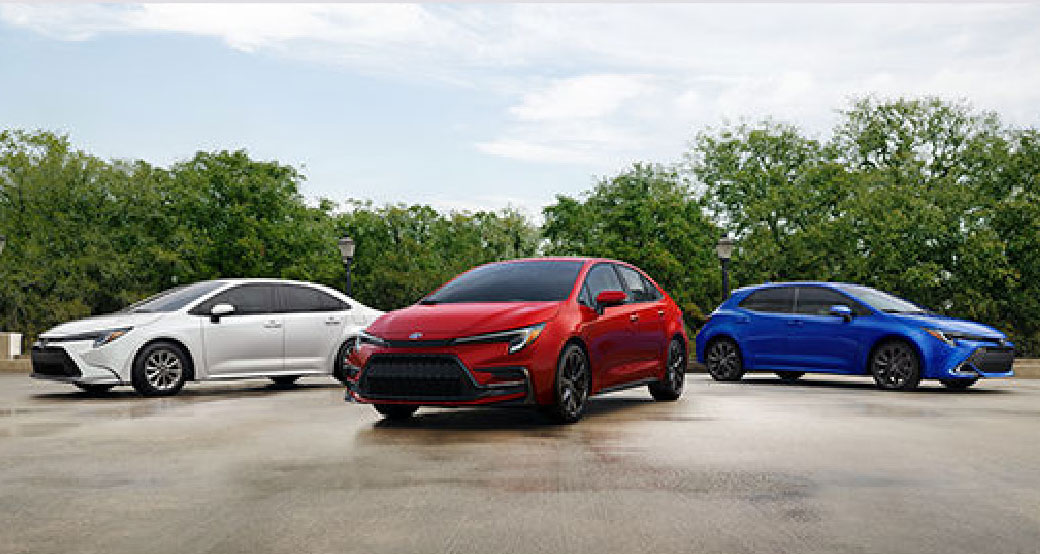
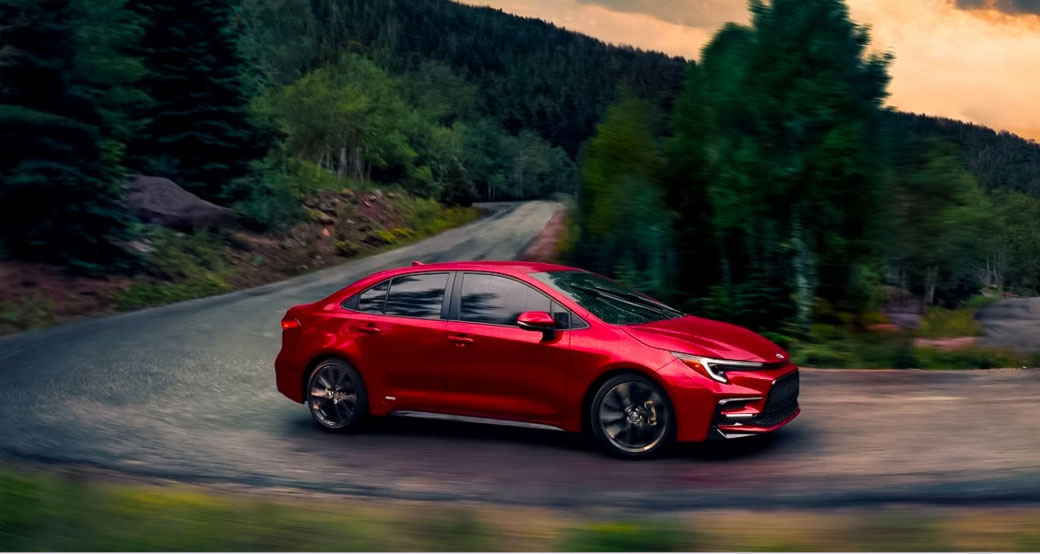
Matching Toyota Models to First-Time Buyer Types
Here's the decision framework that actually helps:
| If You're This Buyer... | Consider This Toyota | Why It Fits |
|---|---|---|
| Budget-conscious commuter | Corolla | Excellent fuel economy, low insurance rates, maintenance costs stay predictable. The definition of "just works." |
| Budget-conscious + want MPG maximized | Prius | Highest fuel efficiency in the lineup. Perfect if you're doing 30+ miles daily and want to minimize gas station visits. |
| Confidence-builder who wants compact | Corolla | Great visibility, easy to park, predictable handling. Builds confidence without overwhelming you. |
| Confidence-builder who wants SUV height | Corolla Cross | Compact SUV visibility with manageable size. Easier to see over traffic, still parks in tight spots. |
| Practical upgrader wanting more space | RAV4 | Room for gear, comfortable for longer drives, handles I-35 road trips to Austin without feeling cramped. |
| Practical upgrader prioritizing comfort | Camry | Smooth ride, quiet cabin, seats that don't fatigue you. More refined than compact options. |
| Future-planner thinking resale | Any Toyota, honestly | But RAV4 and Tacoma hold value exceptionally well if you're thinking long-term investment. |
If you want to explore how these models compare on features and configurations, our model research pages break it down without sales pressure.
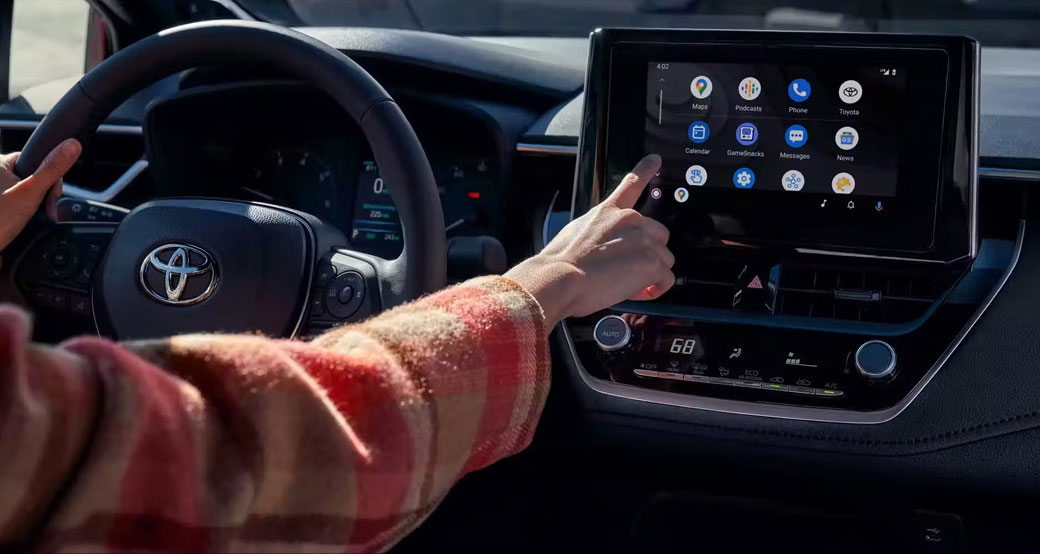
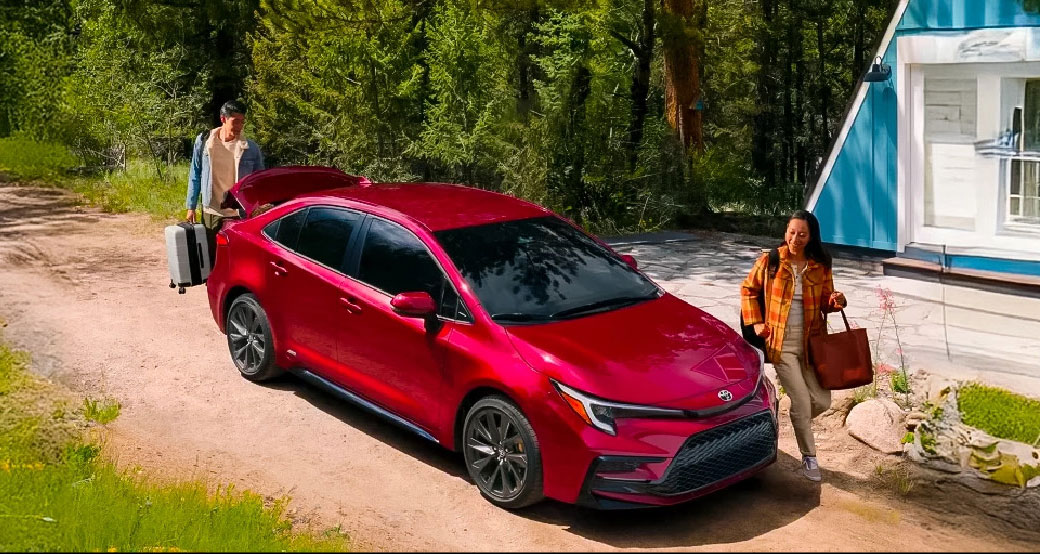
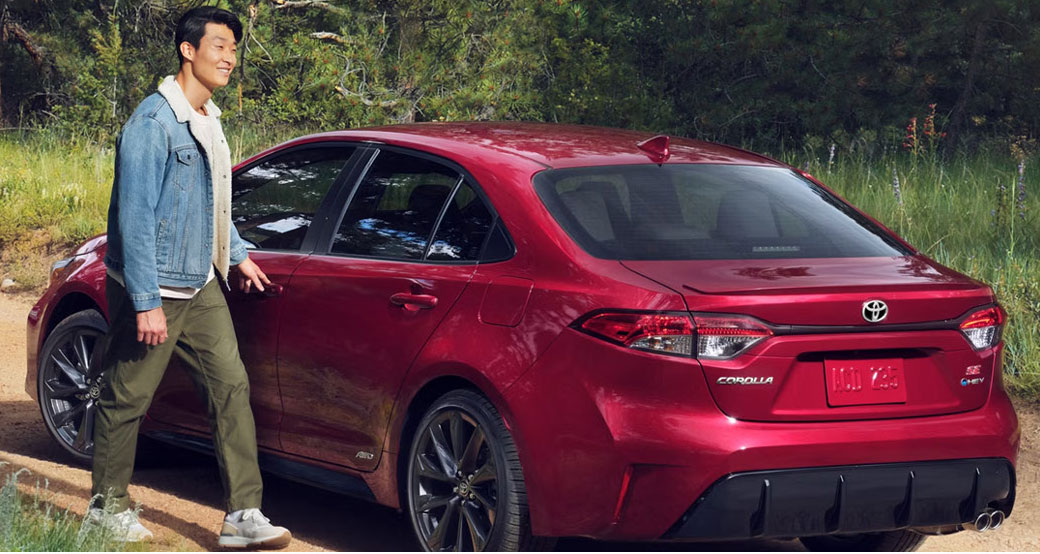
The Corolla: Why It's the Default First-Car Recommendation
There's a reason the Corolla keeps coming up in first-time buyer conversations. It's not exciting. It's not flashy. But it solves almost every first-time buyer problem.
For the commute: Fuel economy that makes your gas budget predictable. Whether you're driving from Burleson to downtown Fort Worth or making the Arlington loop daily, you're not stopping constantly to fill up.
For parking: The size is manageable. Those older parking garages near Sundance Square? The tight spots at your apartment complex? You can actually navigate them without holding your breath.
For your wallet: Insurance companies rate Corollas favorably. Maintenance stays basic and affordable. Resale holds strong if your situation changes in a few years.
For confidence: The handling is predictable. No surprises. The brakes respond how you expect. The steering doesn't feel twitchy. When you're still building driving instincts, this consistency matters more than power or features.
The Corolla isn't the answer for everyone. But for budget-conscious first-time buyers who need reliable transportation without complexity? It's tough to argue against.
When a Compact SUV Makes More Sense
Some first-time buyers gravitate toward SUVs, and that's not wrong—it depends on your situation.
The Corolla Cross splits the difference nicely. You get the elevated seating position that makes highway driving less intimidating. You can see over traffic better, which helps when you're merging onto I-30 during rush hour. But it's still compact enough to park without stress.
The RAV4 makes sense if you're doing longer commutes or want more cargo flexibility. Driving from Weatherford to Fort Worth daily? That's 30+ miles each way. A little more cabin space and a smoother highway ride starts to matter when you're spending that much time in the car.
The trade-off with SUVs: slightly lower fuel economy and higher insurance. Not dramatically—but worth factoring in if budget is tight.
Here's a good gut check: If you're mostly doing city driving and parking in tight spots, the compact sedan probably serves you better. If you're doing significant highway miles and want the visibility advantage, the crossover starts to make sense.
When you want to see what's actually on the lot right now, our new inventory shows real-time availability across these models.
The Budget Reality: What First-Time Buyers Actually Need to Calculate
Let's talk money—not in a lecture-y way, but practically.
The purchase price is just one number. First-time buyers who plan smart also consider:
Insurance costs: Toyota's safety ratings generally translate to reasonable premiums for new drivers. But get actual quotes before you commit. A sportier model or a larger SUV will cost more to insure than a Corolla—sometimes significantly.
Fuel costs: Do the math on your actual commute. If you're driving 25 miles each way, five days a week, that's 250 miles weekly. The difference between 30 MPG and 40 MPG is real money over a year.
Maintenance reality: Toyotas are known for not surprising you. Oil changes, tire rotations, filters—that's mostly it for the first few years. Budget for the predictable stuff, and you probably won't face much else.
Resale protection: This matters more than most first-time buyers realize. If your life changes in two years—new job, moving cities, whatever—a vehicle that holds its value gives you options. Toyotas consistently lead here.
If you want to play with different scenarios and see how payments might look, the payment calculator lets you adjust numbers without any commitment.
Features Worth Paying For vs. Features You Can Skip
First-time buyers often get overwhelmed by feature lists. Let me simplify.
Worth prioritizing:
Reliable Bluetooth/smartphone integration — You need maps and music to work seamlessly. This isn't luxury; it's daily functionality.
Backup camera — Standard on Toyotas now. Essential for parking confidence.
Responsive AC — Texas heat is real. A climate system that recovers fast after your car's been baking in a parking lot matters more than you'd think.
Good visibility — Low window lines, reasonable pillar size. You want to see what's around you.
Adaptive safety features — Automatic emergency braking, lane departure warning. These genuinely help newer drivers.
Fine to skip for now:
Premium sound systems (basic audio works fine)
Leather seats (they get scorching hot in Texas anyway)
Sunroofs (more AC load, more potential issues)
Sport packages (you don't need the performance; you need the reliability)
Base and mid-level Toyota trims nail the essentials. You're not sacrificing safety or daily usability by avoiding the loaded configurations.
What Ownership Actually Looks Like for First-Time Buyers
Let's project forward, because this decision isn't just about today.
Month one: You're learning the car. Where the controls are, how the brakes feel, where the blind spots hide. A Toyota makes this easier because the car behaves predictably. No weird quirks to memorize.
Months 3-6: The car has become background. You're not thinking about it—you're just driving. That's exactly what you want. The vehicle supports your life without demanding attention.
Year one: You've done a couple maintenance visits. Oil change, maybe a tire rotation. The car still feels exactly like it did when you got it. No weird noises, no warning lights, no "what was that?" moments.
Year two and beyond: This is where Toyota's reliability pays off. While friends with other vehicles are dealing with repairs and unexpected shop visits, you're just... driving. The car is a non-issue in your life, which frees mental energy for everything else.
Staying current on basic maintenance is straightforward when you can schedule a service online and know exactly what to expect.

Common Questions First-Time Toyota Buyers Ask in Fort Worth

Which Toyota is easiest for first-time drivers in Fort Worth?
For city driving and tight parking near downtown Fort Worth, the Corolla offers the best combination of visibility, size, and predictable handling. If you prefer SUV height for highway confidence on I-30 or I-20, the Corolla Cross maintains easy maneuverability while giving you better sightlines over traffic. Your daily parking situation should drive this decision.
Should first-time buyers in Fort Worth choose new or used?
This depends on your budget comfort level. New Toyotas include full warranty coverage and latest safety tech—valuable peace of mind when you're learning ownership. Certified pre-owned offers significant value while maintaining Toyota's quality standards. For buyers commuting from Burleson or Weatherford, either works well—Toyota reliability holds regardless of how you buy.
What Toyota has the lowest insurance for first-time buyers?
Generally, the Corolla rates most favorably for first-time driver insurance due to its safety ratings, modest engine, and non-sporty classification. The Prius also tends to rate well with insurers. Before committing to any model, get actual quotes based on your specific driving history and situation—individual factors can shift this significantly.
How do I choose between Corolla and RAV4 as a first car?
Consider your actual daily reality. If you're doing mostly city driving with tight Fort Worth parking garages, the Corolla's compact size serves you better. If you're commuting 30+ miles daily from Weatherford or Arlington and want more highway comfort plus cargo flexibility, the RAV4 starts to make sense. Honestly, test drive both—you'll feel the difference within minutes.
Are Toyotas hard to maintain for first-time owners?
The opposite, actually. Toyotas are known for predictable, low-drama maintenance. Standard service intervals, no weird proprietary parts, no common surprise failures that catch new owners off guard. For first-time buyers still learning vehicle ownership, this simplicity is genuinely valuable—you know what to budget for and when.
Ready to Find the Toyota That Fits Your Situation?
Here's where we land: the best Toyota for a first-time buyer isn't about finding some objectively "best" model. It's about matching the right vehicle to your specific commute, budget, and confidence level.
If you're budget-focused with a shorter commute ? the Corolla probably makes most sense. If you want SUV visibility without sacrificing parkability ? look at the Corolla Cross. If you're doing longer highway drives ? the RAV4 earns consideration. If fuel economy is your top priority ? the Prius delivers.
Whatever direction feels right, the next step is the same: get behind the wheel and see how it feels. Articles can guide you, but ten minutes of actual driving tells you more than ten hours of research.
Check our used inventory if you want to see certified pre-owned options that stretch your budget further. Or schedule a test drive and experience the difference firsthand—no pressure, just information.
The team at Toyota of Fort Worth has helped a lot of first-time buyers work through exactly this decision. We get that it matters. When you're ready, we're here.