


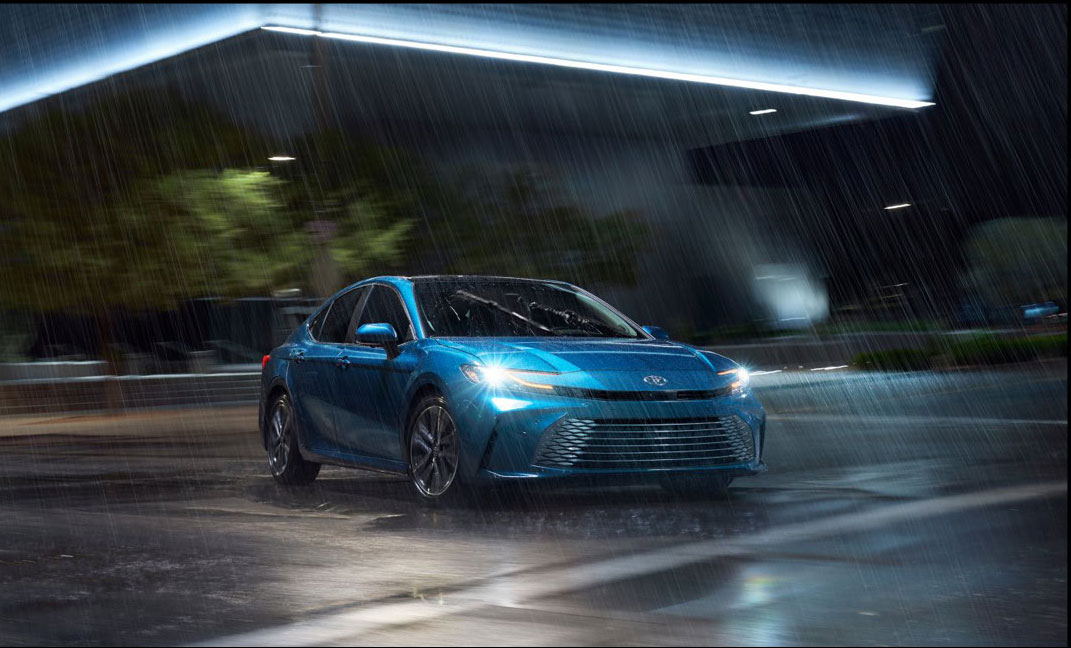
Toyota Camry vs Toyota Corolla: Which Sedan Fits Your Fort Worth Life?

Toyota Camry vs Toyota Corolla: Which Sedan Fits Your Fort Worth Life?
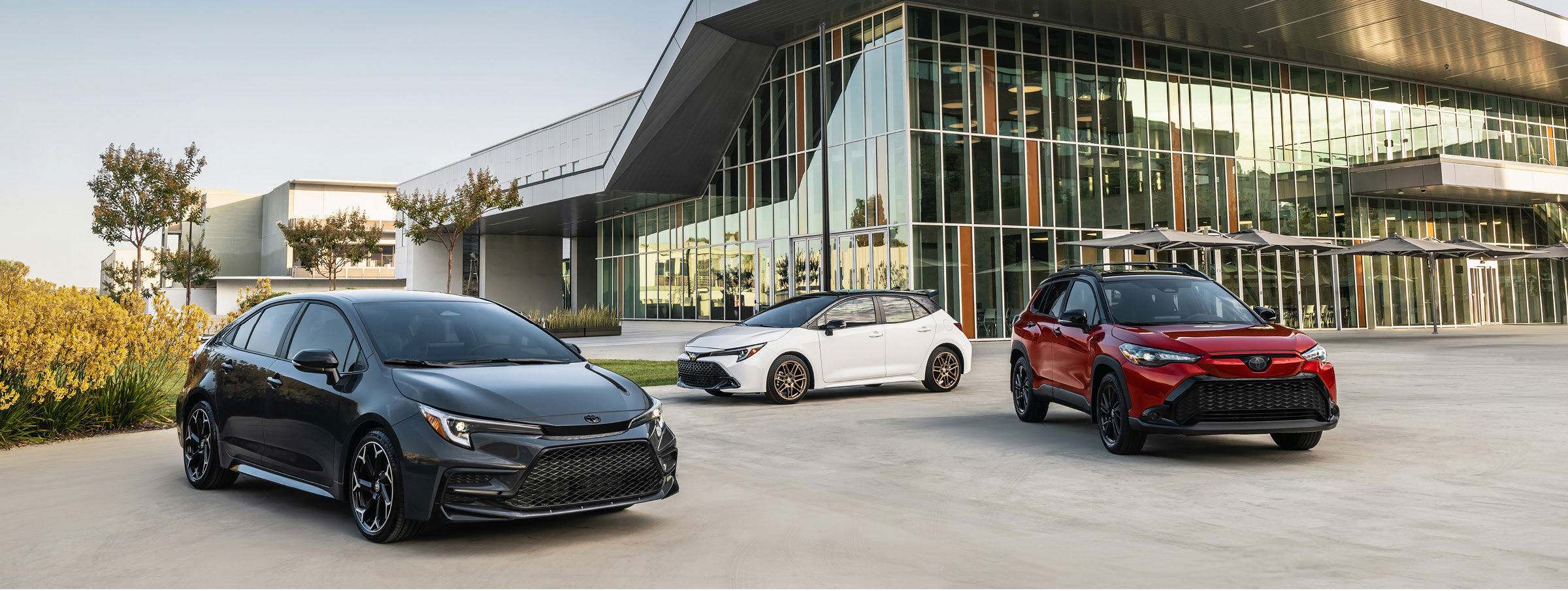
Toyota Corolla sedan, Corolla Hatchback, and Corolla Cross parked outside a modern building

Toyota Camry vs Toyota Corolla: Which Sedan Fits Your Fort Worth Life?

Choosing between the Toyota Camry and Toyota Corolla isn't about finding a winner. Both are reliable. Both will serve you well for years on Fort Worth roads.

The real question is which one fits how you actually live. Your commute on I-35W. Your weekend errands in Arlington or Burleson. The passengers you carry—or don't. The parking situations you deal with daily.

If you've been going back and forth, wondering if the Corolla will feel too small eventually or if the Camry offers space you won't actually use, you're asking the right questions. Let's work through them together.

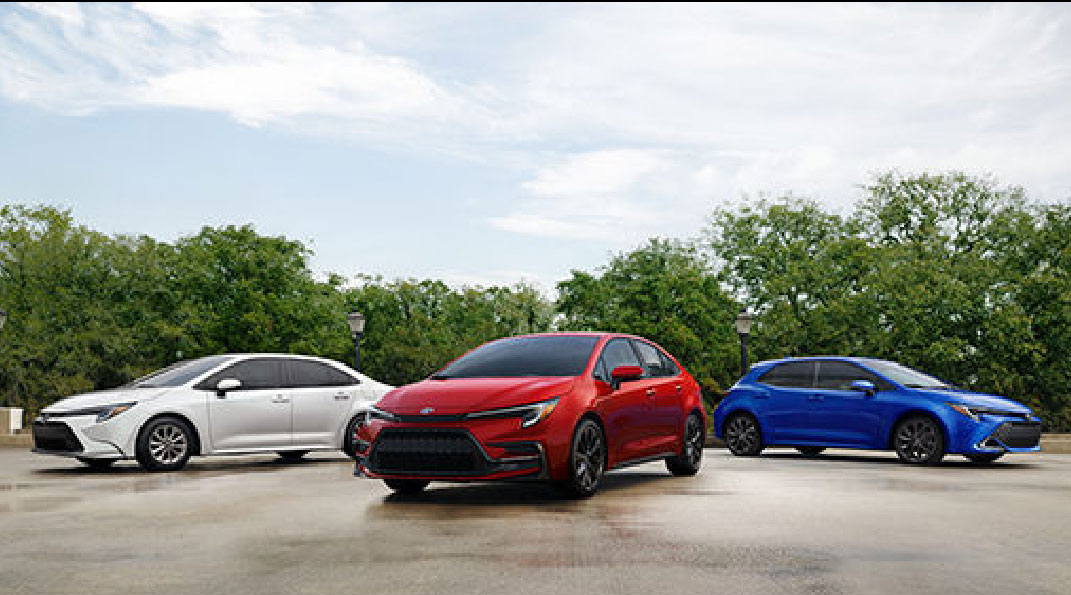
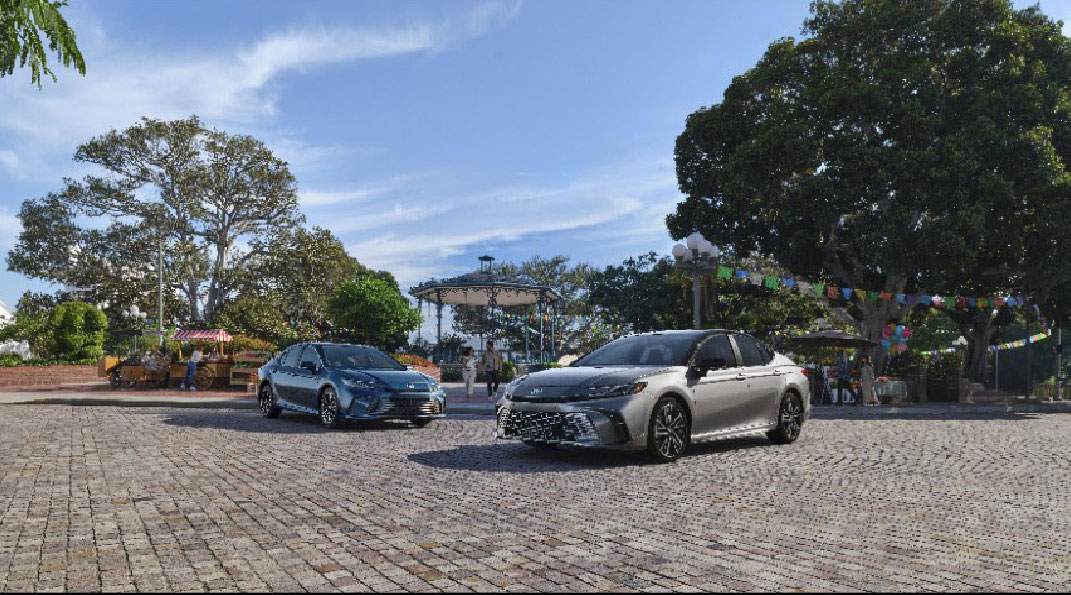
Toyota Corolla sedan, GR Corolla hatchback, and Corolla Hatchback lineup on an outdoor pavement Toyota Camry sedans driving through a town plaza with outdoor market setting

The Everyday Reality Check: How Do You Actually Use Your Car?

Before comparing specs, think about your normal week. Not the road trip you might take twice a year—your regular Tuesday.

You might be a Corolla driver if: You mostly drive solo or with one passenger. Your commute is under 30 minutes. You deal with tight parking at work, your apartment complex, or around downtown. You want excellent fuel efficiency without paying for space you don't need. You like the idea of a car that's easy to maneuver through Fort Worth traffic and fits into any parking spot.

You might be a Camry driver if: You regularly carry passengers in the back seat—kids, parents, coworkers, friends. Your commute stretches beyond 45 minutes, maybe from Weatherford or Alliance. You want a quieter, more isolated highway ride. You prefer a little extra room to stretch out, especially if you're taller. The idea of a slightly larger trunk for groceries, sports gear, or luggage appeals to you.

You might be genuinely in between: That's most people. And that's where sitting in both cars and taking them on actual roads makes the difference. The Model Research page can help you compare the details before you visit.

Matching Your Priorities to the Right Toyota Sedan

Both sedans share Toyota's reputation for reliability and come loaded with safety technology. The differences come down to size, ride feel, and powertrain options.

Your Priority Better Fit Why
Maximum fuel efficiency, compact size Corolla Hybrid Up to 50+ mpg combined, nimble handling
Rear passenger comfort, quieter highway ride Camry 38" rear legroom vs 34.8", better sound insulation
Tight parking, city maneuverability Corolla Smaller footprint makes urban driving easier
Longer commutes, reduced driver fatigue Camry More refined cabin, smoother ride on sustained drives
Lower entry point, strong value Corolla Available in gas and hybrid, lower starting cost
Hybrid-only simplicity, AWD available Camry All 2025 Camrys are hybrid; AWD offered across trims

How Each Sedan Handles Real Fort Worth Driving

Let's get specific about what matters on the roads you actually drive.

Parking and tight spaces. The Corolla's compact dimensions make a noticeable difference in crowded lots—Costco, downtown street parking, your apartment garage. If parking stress is part of your daily life, the Corolla removes some of that friction.

The I-35W commute. Fort Worth ranked among the ten worst commutes in the country, and that downtown stretch of I-35W is part of the reason. Both sedans handle stop-and-go fine, but the Camry's cabin does a better job blocking out road noise. If you're spending 45+ minutes each way, the Camry's quieter ride compounds into less fatigue over time.

Carrying passengers. Here's where the numbers matter: the Camry offers about three extra inches of rear legroom compared to the Corolla sedan. That might not sound like much until you're installing a car seat or driving adults to an event in Arlington. Taller passengers will notice the difference on anything longer than a quick errand.

Texas summer heat. Both cool down quickly. Both have available automatic climate control. No real advantage either way—Toyota engineered both sedans for exactly this kind of climate.

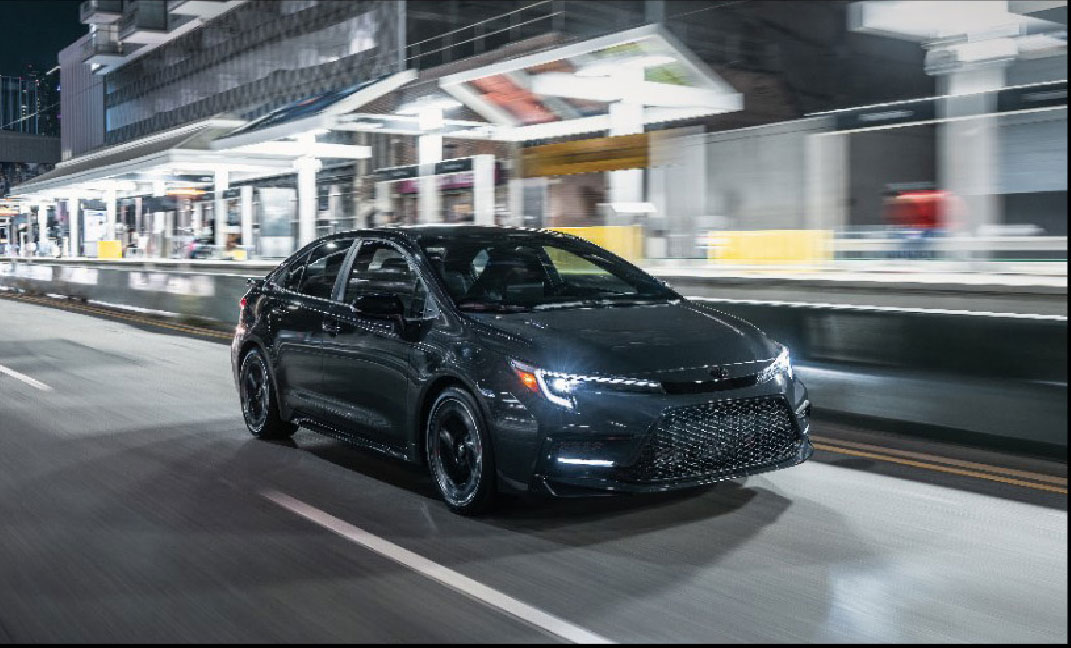
Toyota Corolla sedan driving at night on a city street Toyota Corolla sedan driving in the rain with headlights on

What Ownership Actually Looks Like Over Time

The purchase happens once. You live with your choice for years. Here's what that tends to look like.

First few months: You're learning the car. With the Corolla, you appreciate how easy it is to park and how far a tank of gas goes. With the Camry, you settle into the extra space and notice how relaxed you feel after longer drives.

Year two and three: Both cars hold up. Toyota's reliability reputation isn't marketing—it shows up in lower repair frequency and strong resale values. The Camry tends to retain slightly higher dollar value; the Corolla offers strong value retention relative to its lower starting point.

Maintenance and warranty: Both come with ToyotaCare, which covers factory-scheduled maintenance for two years or 25,000 miles. If you choose a hybrid (standard on Camry, available on Corolla), Toyota backs the hybrid components for eight years or 100,000 miles, and the battery for ten years or 150,000 miles. That long-term coverage addresses one of the biggest concerns buyers have about hybrid ownership.

Safety: Both sedans come standard with Toyota Safety Sense, including automatic emergency braking, lane departure warning, adaptive cruise control, and pedestrian detection. The Camry adds standard blind-spot monitoring; on the Corolla, it's available depending on trim.

When you're ready to understand what monthly ownership looks like for your budget, the Payment Calculator can help you compare scenarios before visiting.

Common Questions About Toyota Camry vs Corolla in Fort Worth

Is the Toyota Corolla too small for Fort Worth commuting?

For most solo drivers and couples, the Corolla provides comfortable daily transportation for Fort Worth commuting. Drivers who regularly carry rear passengers or want more legroom for longer trips on I-35W or I-20 may prefer the Camry's larger cabin.

Which Toyota sedan is better for long highway commutes in North Texas?

The Camry offers a quieter, more refined ride for long highway commutes from areas like Weatherford, Burleson, or Alliance. Its improved sound insulation and slightly larger cabin reduce fatigue on drives exceeding 45 minutes each way.

Is the 2025 Toyota Camry only available as a hybrid?

Yes. For 2025, every Toyota Camry comes with a hybrid powertrain, delivering strong fuel efficiency across all trims. The Corolla offers both traditional gas engines and hybrid options, giving buyers more flexibility based on their priorities.

What warranty coverage comes with Toyota hybrid sedans?

Toyota hybrid sedans include ToyotaCare with two years of complimentary maintenance. Hybrid components are covered for eight years or 100,000 miles, and the hybrid battery is warranted for ten years or 150,000 miles, providing long-term peace of mind.

Making the Right Choice

Here's the honest truth: neither choice is wrong. Both are Toyotas. Both will last. Both hold their value. Both come with the safety features and reliability that brought you to this comparison in the first place.

The Corolla makes sense if you value efficiency and maneuverability and don't need the extra cabin space. The Camry makes sense if you want more room, a quieter highway experience, and the simplicity of hybrid-only efficiency across the lineup.

The clearest path forward is experiencing both. The team at Toyota of Fort Worth can set up back-to-back test drives so you feel the difference rather than just read about it. When you're ready, schedule a test drive and bring your normal driving habits in mind. Within a few miles, you'll know which sedan fits your Fort Worth life.