


Which Toyota SUV Improves Your Fort Worth Commute?
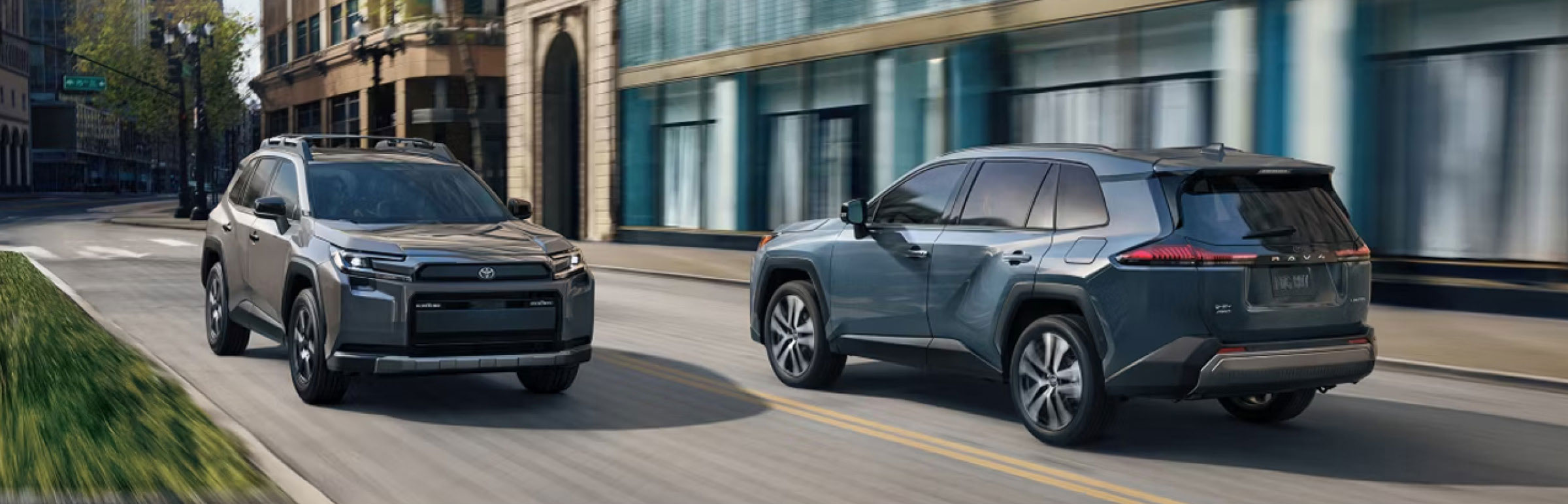
Let's skip the marketing fluff. If you're commuting in Fort Worth—really commuting, not the "fifteen minutes on empty roads" fantasy—you already know the drill. The I-30 crawl that adds twenty minutes out of nowhere. That stretch of 820 where construction has been "almost done" for three years. Walking back to your car at 5pm and wondering if you could fry an egg on the dashboard.
The best Toyota SUV for commuting in Fort Worth isn't about spec sheets. It's about how you feel when you finally pull into your driveway. Drained? Or actually okay?
That's what we're figuring out here. No brochure talk—just what actually matters when you're spending an hour-plus in your vehicle every single day.
The Suspension Question Nobody Asks (But Should)
Here's something most shoppers don't think about until it's too late: suspension tuning.
During a test drive? Everything feels fine. But spread that same ride over forty-five minutes of expansion joints, patched concrete, and whatever's happening on Henderson Street—and suddenly you notice. Your lower back tightens. Your shoulders creep up. You arrive home already tired.
Toyota tunes their SUVs for exactly this reality. Not sporty-stiff, not floaty-soft. Just... composed. The kind of ride where rough pavement doesn't punch through the floorboard.
Drivers coming in from Weatherford or making the Alliance-to-downtown trek tell us this is the thing they didn't know they needed until they experienced it. It's not glamorous. It won't impress your neighbors. But after six months of commuting? You'll understand why it matters.
If you're curious how different Toyota SUVs compare on this front, our model research pages break it down without the sales pressure.
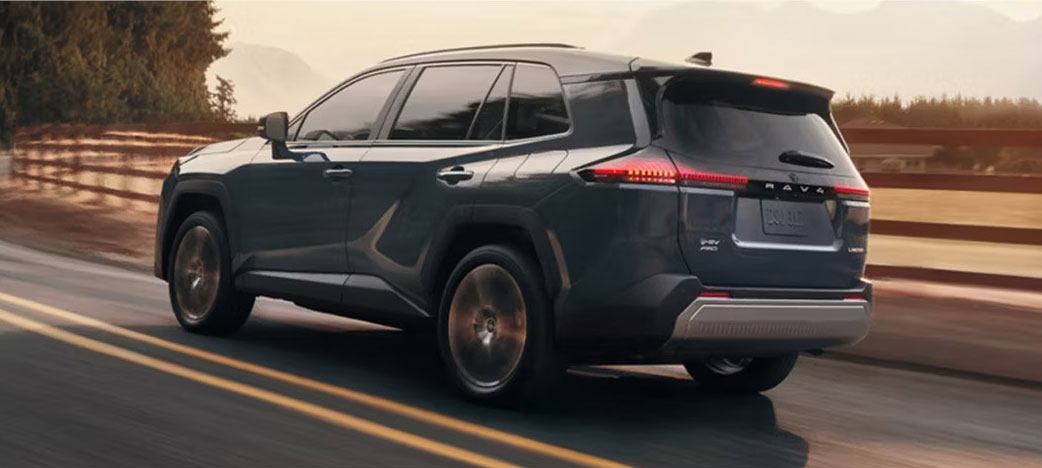
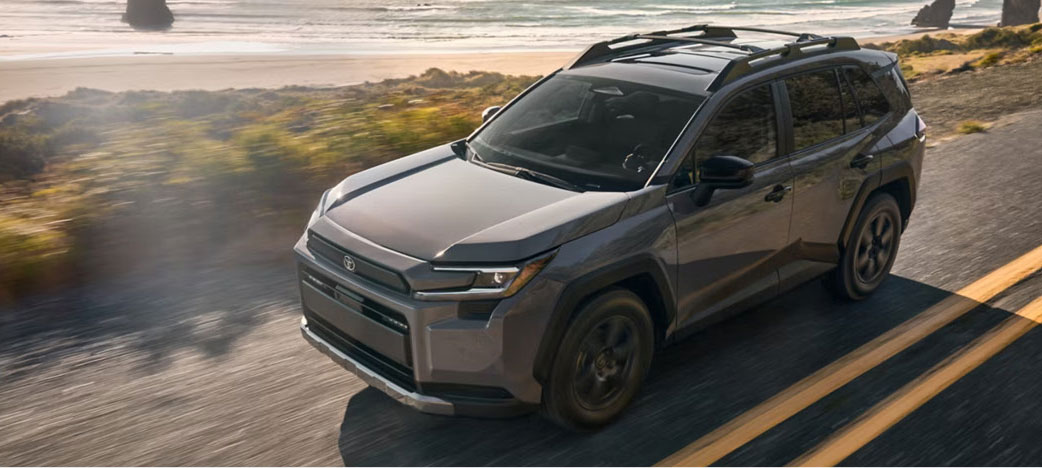

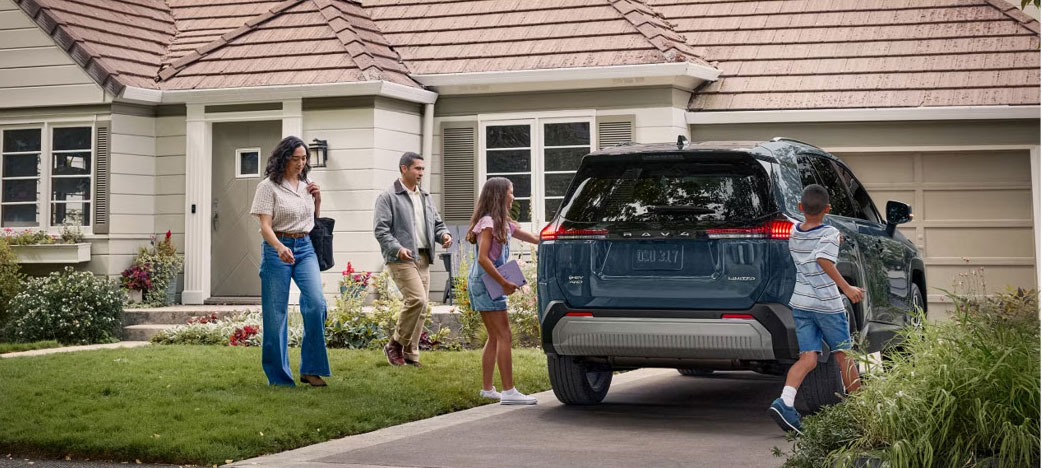
Cabin Noise — The Stress You Don't Realize You're Carrying
Here's a weird truth about commuting: you adapt to noise. Your brain tunes it out. But your nervous system? Still processing every bit of it.
Highway drone. Tire hum. Wind rushing past the mirrors. It's all background stress you're carrying without realizing it.
Toyota's approach to cabin insulation is genuinely one of their underrated strengths. Not silent—that would feel weird—but noticeably quieter than most of what's out there. The kind of quiet where you don't have to crank the volume to hear your podcast. Where phone calls actually work.
And honestly? That late-evening drive home—when traffic finally opens up and you're just cruising—should feel like decompression time. Not more noise you're enduring.
Something to pay attention to when you schedule a test drive: take it on the highway. Actual highway, actual speed. That's when you'll hear the difference.
Infotainment That Doesn't Fight You
Look, we've all been in vehicles where the touchscreen feels like it was designed by people who've never driven in traffic.
Tiny buttons. Laggy response. Climate controls buried three menus deep. Voice commands that interpret "call mom" as "navigating to Guatemala." It's maddening—especially when you're merging onto I-30 and just need something simple to work.
Toyota's infotainment isn't flashy, but it's logical. Physical knobs for volume and climate—because sometimes you just need to turn something without looking. Menus that make sense. Wireless phone connection that actually connects on the first try.
Is it the fanciest system on the market? No. But fancy isn't what you need at 7:45am when you're late and traffic is already backing up past the Burleson exit. You need things to just work.
That's the bar. Toyota clears it.
What Commuters Actually Care About vs. What Gets Advertised
Real talk: the features that show up in commercials aren't always the features that matter at mile 47 of your weekly commute.
Owning One of These Long-Term (What Nobody Tells You)
Commuter vehicles rack up miles fast. If you're doing 25,000+ a year—not unusual for Fort Worth commuters—you need something that stays refined at 60,000 miles, not just 6,000.
This is where Toyota's reputation actually earns itself. Not because of marketing. Because these things genuinely hold together. The ride quality at year three feels like year one. Maintenance stays predictable—no surprise "your XYZ module needs replacement" visits.
Speaking of which: keeping up with service is easier when you can just schedule a service online and get on with your life. Small thing, but it adds up when you're already managing a busy schedule.
And yeah—resale value matters when you're putting that many miles on a vehicle. Toyota SUVs hold their worth better than almost anything else in the segment. That's not opinion; that's just how the market works.
For commuters weighing the long game, this stuff matters more than the flashy features you'll forget about in six months.
The midsize options tend to have the most comprehensive sound insulation. During a test drive, take it on I-30 or 820 at full highway speed—that's when cabin noise differences become obvious. Don't just drive around the parking lot; that won't tell you anything useful.
Faster than you'd expect. Toyota engineers climate systems for extreme heat specifically. Most drivers report comfortable temperatures within a few minutes, even after the vehicle has been parked in direct sun. Worth testing during your actual visit.
Yes—this is actually one of their strong points. Seat design and suspension tuning prioritize long-haul comfort over sporty firmness. Your back will thank you after week two. The difference is subtle at first but compounds over time.
Easier than most. Physical controls for common functions, logical menus, and responsive touchscreens mean you're not fumbling around during traffic. It's not fancy, but it works when you need it to—which is really the whole point.
Consistently among the best in the industry. For commuters adding 20,000+ miles annually, this protects your investment significantly compared to vehicles with steeper depreciation curves. Something to factor into the total cost conversation.
Ready to See Which One Fits Your Commute?
Here's the thing: reading about cabin noise and suspension tuning only gets you so far. At some point, you need to sit in the seat, take it on actual roads, and see how it feels after twenty minutes—not two.
That's what we're here for. No pressure, no games. Just honest guidance from people who drive these same Fort Worth roads and understand what the commute actually demands.
Browse our new inventory to see what's available now, or check our used inventory if you're open to certified options that make the math work better. Either way, the team at Toyota of Fort Worth is ready when you are.
Your commute's not getting shorter. Might as well make it better.